
Why Professional Flooring Installation Matters
Flooring plays an important role in the comfort, appearance, and function of an interior space. Even high-quality flooring can develop problems when the installation process is not handled carefully. According to IBISWorld, there are nearly 110,000 flooring installation businesses in the United States as of 2026. This large number reflects the ongoing need for flooring installation across residential and commercial properties. This article explains why professional flooring installation matters and how proper preparation and installation can support better long-term flooring performance.
Planning for Better Results
A successful flooring project starts with careful planning. Before installation begins, several factors need to be considered, including the condition of the existing floor, the layout of the space, measurements, moisture levels, and the type of flooring being used. Taking time to evaluate these details can help reduce problems during the installation process. A local flooring contractor can assess the space and identify conditions that may affect the finished floor. Uneven areas, damaged surfaces, or moisture concerns may need attention before new flooring is installed. Addressing these conditions early can help create a more suitable surface for the new material. Planning also involves considering how the room will be used. A hallway, kitchen, bedroom, office, and other areas can have different levels of foot traffic and different environmental conditions. Choosing an appropriate installation approach based on the space can help the flooring perform as expected.
Preparing the Surface Properly
The condition of the surface underneath new flooring can have a major effect on the final result. A floor that is uneven, damaged, or poorly prepared may cause visible problems after installation. These issues can include gaps, movement, uneven sections, or premature wear. Professional installation includes evaluating the surface before placing the new flooring. Depending on the condition of the area, preparation may involve cleaning, leveling, repairing, or making other adjustments. The exact steps can vary based on the flooring and the condition of the existing surface. A local flooring contractor can determine what type of preparation is appropriate for the space. This step may not be the most visible part of a flooring project, but it can have a significant impact on the appearance and performance of the finished floor.
Measuring the Space Accurately
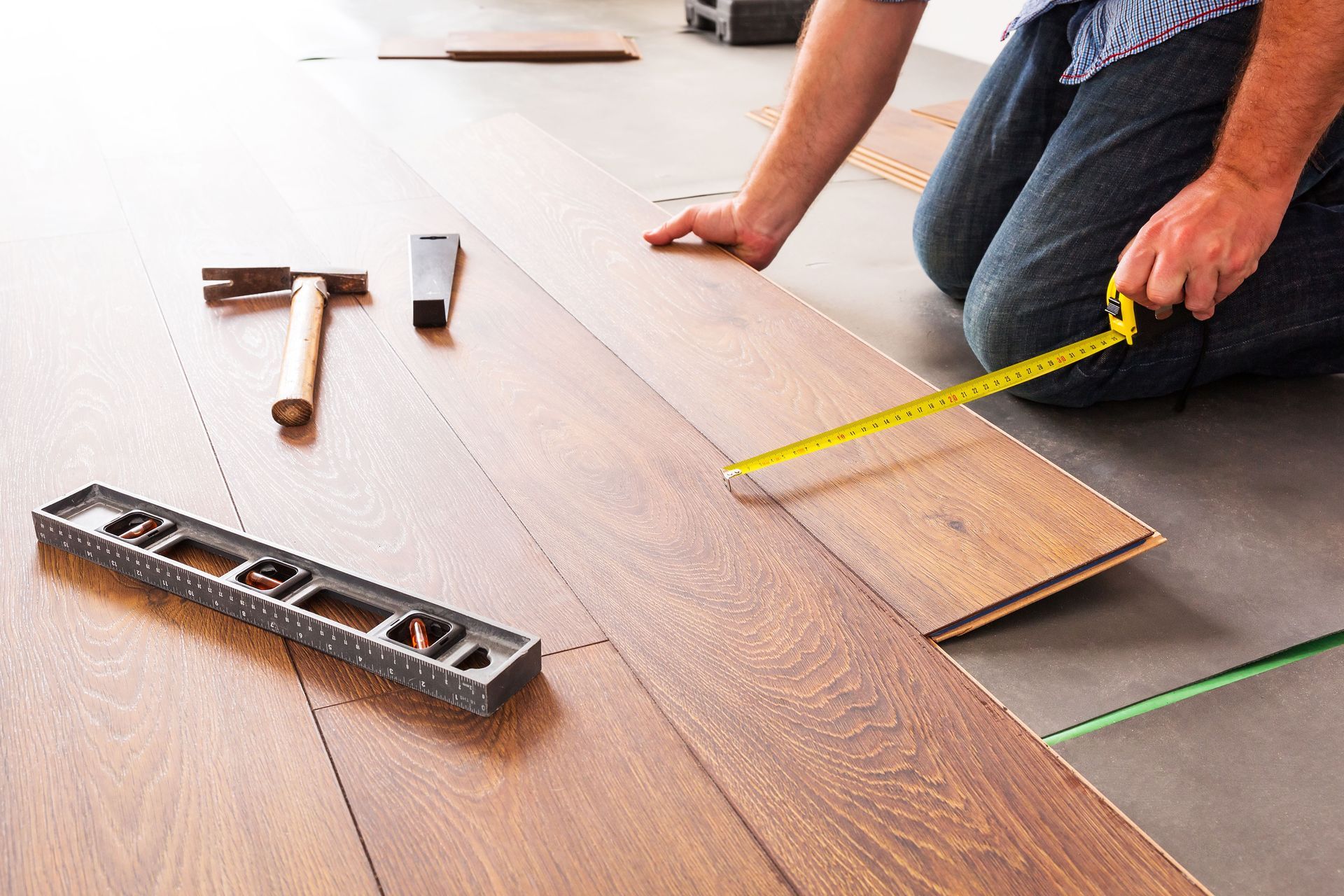
Accurate measurements are another important part of flooring installation. Flooring needs to fit properly within the dimensions and layout of a room. Measurements also help account for corners, transitions, doorways, closets, and other areas that can affect how the flooring is placed. Small measurement errors can create complications during installation. Material may not align correctly, patterns can appear uneven, and transitions between spaces may look inconsistent. Careful measuring helps establish a clear plan before installation begins. A local flooring contractor can evaluate the entire installation area rather than looking at only the main portion of a room. This broader approach helps account for details that may otherwise be overlooked. Accurate measurements also make it easier to plan how flooring should be positioned throughout connected areas.
Installing Materials With Care
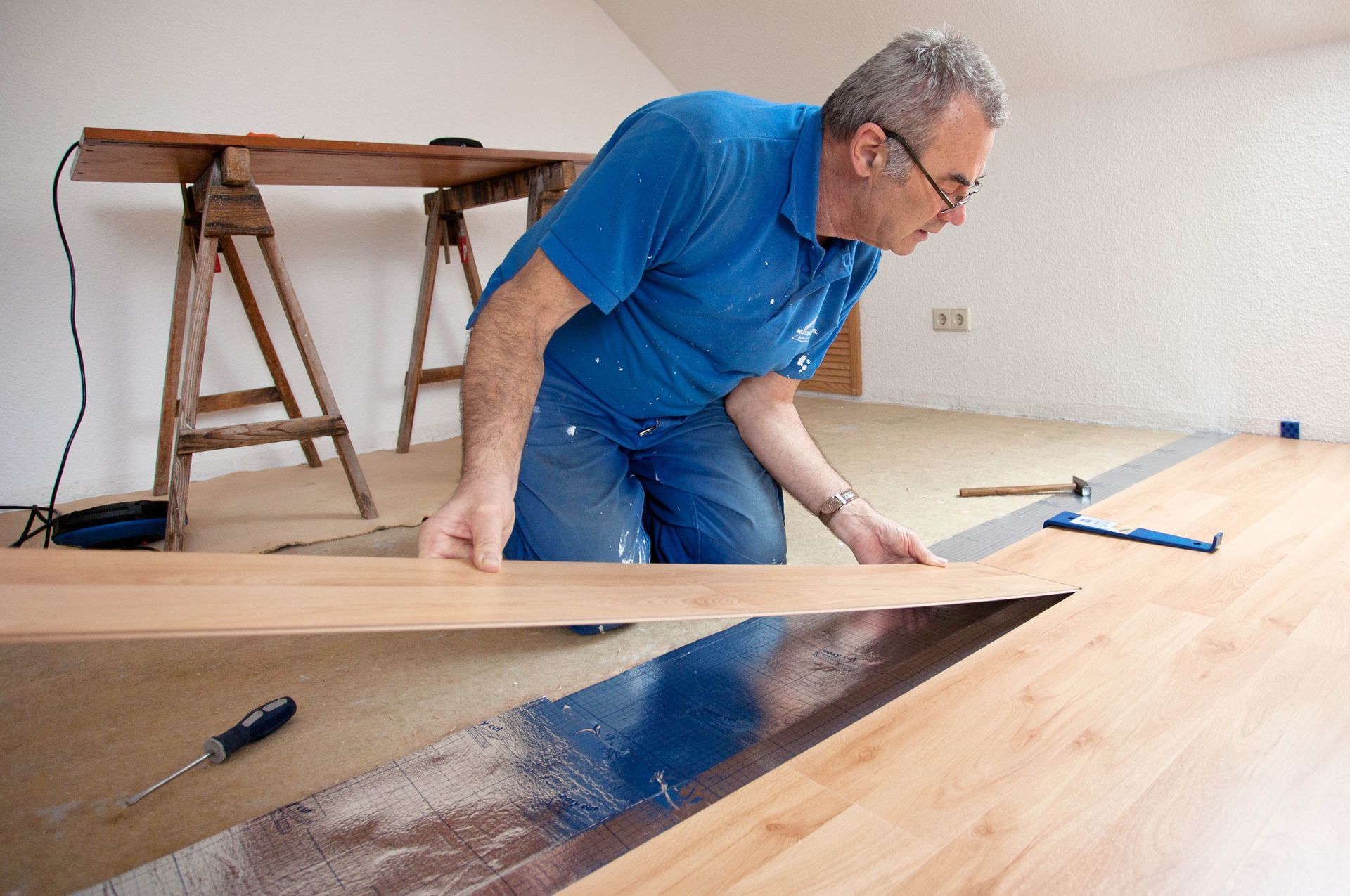
The installation process requires attention to spacing, alignment, positioning, and other details. Flooring should be placed according to the requirements of the material and the conditions of the space. Careful installation can create a more consistent appearance across the entire room. The way flooring is positioned can also affect how the space looks. Lines, patterns, seams, edges, and transitions can all influence the finished appearance. When these details are handled carefully, the flooring can create a more balanced look throughout the room. Professional installation also involves using appropriate methods for the flooring being installed. Different materials can have different requirements for placement and spacing. Following those requirements can help reduce unnecessary stress on the flooring and support its long-term performance.
Managing Transitions and Edges
Flooring does not always exist within one uninterrupted area. Rooms may connect to hallways, doorways, stairs, or areas with different flooring materials. These changes require careful planning to create a finished appearance. Transitions can help connect different flooring areas while accounting for changes in height or material. Poorly handled transitions may create uneven edges or noticeable breaks between spaces. Careful installation helps these areas look more consistent. Edges also deserve attention. Flooring around walls, cabinets, door frames, and other fixed features may require precise cuts and positioning. A local flooring contractor can account for these areas during installation and help create a cleaner finished appearance.
Reducing Common Installation Problems
Problems with flooring can sometimes develop because of installation issues rather than the flooring material itself. Poor preparation, inaccurate measurements, improper placement, and overlooked environmental conditions can all affect the final result. Professional installation focuses on identifying these concerns before they become larger problems. Careful preparation and installation can reduce the chance of visible gaps, uneven surfaces, shifting materials, or other issues. Seeking professional help can also make it easier to address concerns that may not be immediately noticeable. Some installation problems may appear minor at first but become more noticeable as the floor is exposed to regular foot traffic. Addressing potential issues early can support a more durable and consistent result.
Supporting Long-Term Performance
Proper installation is not only about making flooring look good when the project is finished. It can also affect how the flooring performs over time. Flooring is exposed to foot traffic, furniture, temperature changes, moisture, and other conditions throughout its useful life. When the installation is completed carefully, the flooring has a better foundation for handling normal use. Proper placement and surface preparation can help reduce unnecessary stress on the material. A local flooring contractor can also provide guidance about conditions that may affect flooring performance. Understanding how the space will be used can help determine the appropriate installation approach. This can be especially useful in areas that experience frequent activity or changing environmental conditions.
Improving the Overall Appearance
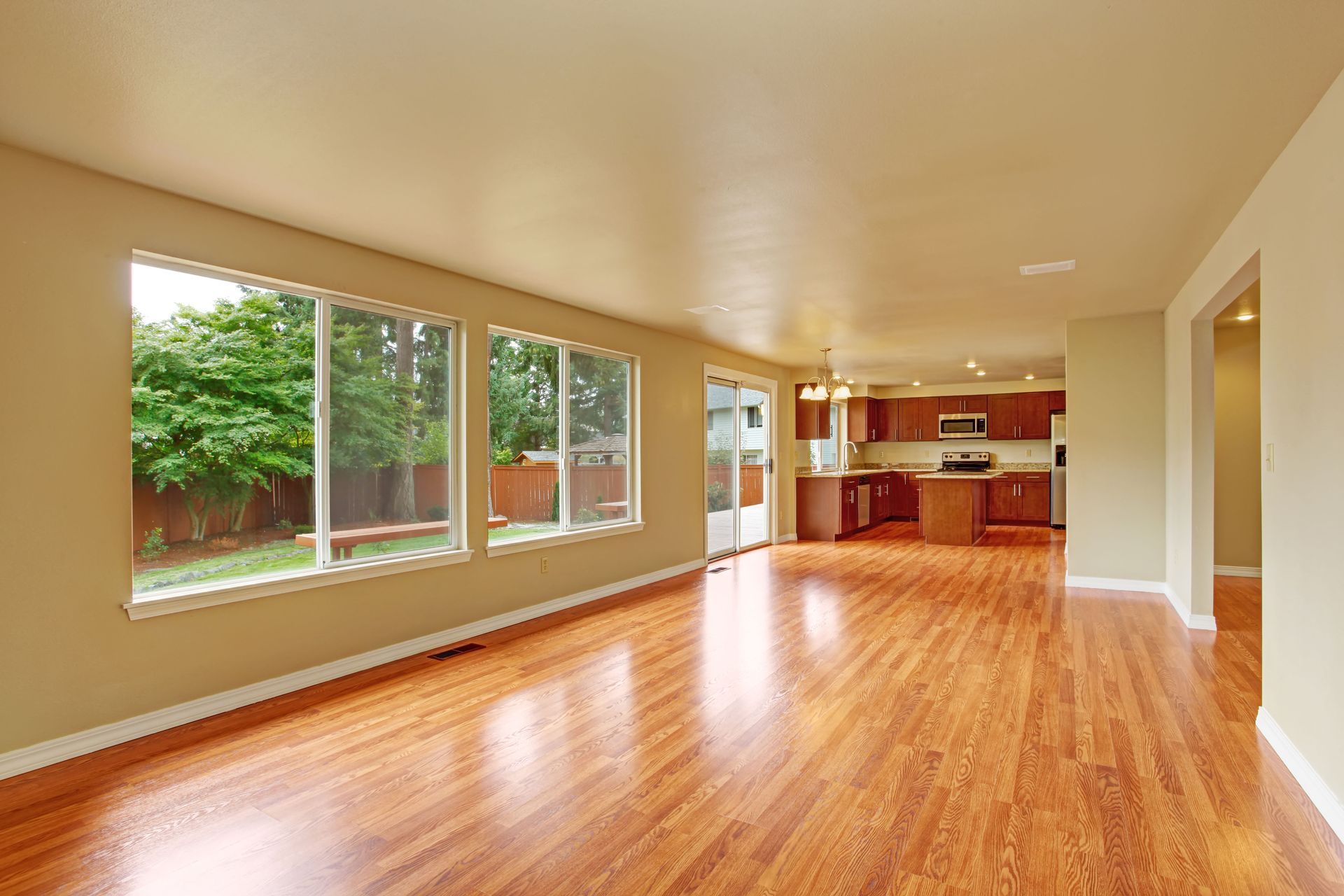
Flooring can influence how an entire room looks and feels. Even small installation details can affect the overall appearance. Consistent alignment, clean edges, properly handled transitions, and an even surface can help create a more polished result. Professional installation focuses on these details throughout the project. Rather than treating installation as simply placing flooring across a surface, the process considers how each section connects with the surrounding areas. This attention can be especially noticeable in larger or connected spaces. When flooring extends through several rooms, consistency becomes more important. Careful installation can help the flooring flow naturally from one area to another.
Protecting the Project Investment
New flooring represents an investment in a property. The installation process plays a role in protecting that investment by creating a proper foundation for the finished floor. Problems that develop because of poor installation can lead to additional work and expenses. Correcting uneven areas, damaged sections, or improperly placed materials may require more time than addressing those concerns before installation. Working with a local flooring contractor can provide a structured approach to the installation process. From evaluating the surface to completing the final details, each stage can be handled with attention to the condition of the space and the needs of the project.
Flooring can influence the appearance and usability of a property for years. While choosing the right flooring material matters, proper installation is just as important. A well-prepared surface, accurate measurements, careful placement, and properly finished edges can all contribute to a better result. Professional installation can also make the project easier to manage from start to finish. Instead of overlooking important details, the process can account for the condition of the space and the requirements of the installation. For help with professional flooring installation tailored to the needs of your space, contact Expert Flooring Services, Inc to work with a professional local flooring contractor.

Share On: